

Introduction
Let’s be honest – spending money on ads without knowing whether they’ll work feels risky. Imagine investing thousands into marketing and getting… nothing. No clicks, no leads, no sales.
Now flip that.
What if you only paid when someone actually clicked, signed up, or bought your product?
That’s exactly what performance marketing is all about.
In today’s digital world, where every rupee matters, businesses are shifting towards strategies that are measurable, controllable, and result-driven. And that’s why it has become one of the most powerful tools in digital marketing.
What is Performance Marketing?
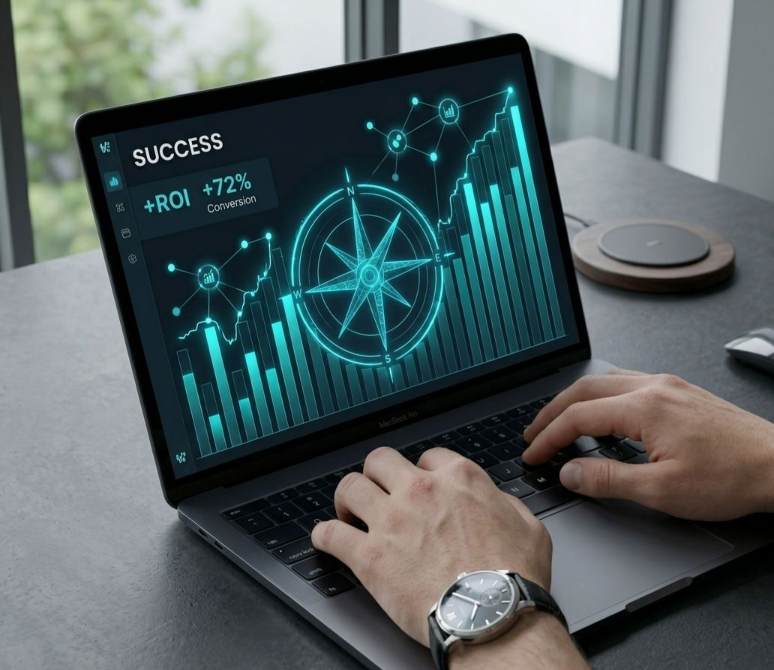
Performance marketing is a type of digital marketing where advertisers pay only when a specific action is completed.
These actions can include:
- Clicking on an ad
- Filling out a form
- Signing up for a service
- Making a purchase
Unlike traditional marketing, where you pay upfront for visibility (like TV ads or billboards), this marketing ensures that your money is spent only when you get actual results.
In simple terms:
No results = No cost (or minimal cost).
Why is Performance Marketing So Popular?
Businesses today don’t just want visibility – they want outcomes.
Performance marketing solves a major problem: wasted ad spend.
Here’s why it’s gaining so much attention:
- You Pay for Results
No guessing. No blind spending. You only pay when something actually happens.
- Everything is Measurable
From clicks to conversions, every step can be tracked in real time.
- Better Control Over Budget
You can start small, test campaigns, and scale what works.
- Data-Driven Decisions
Instead of assumptions, you rely on actual data to improve performance.
How Does Performance Marketing Work?
At its core, this marketing is a collaboration between advertisers and platforms (or publishers).
Here’s how the process typically works:
- A business creates an ad campaign
- The ad is shown on platforms like Google, Instagram, or websites
- The audience interacts with the ad
- A specific action is completed (click, lead, or sale)
- The business pays based on that action
This structure ensures that every rupee spent has a purpose.
Key Channels of Performance Marketing
Performance marketing doesn’t happen in just one place. It spans across multiple digital platforms:
- Search Engine Marketing (SEM)
These are paid ads you see on search engines when you search for something. They target users with high intent, making them highly effective.
- Social Media Advertising
Platforms like Instagram, Facebook, and LinkedIn allow businesses to target specific audiences based on interests, behavior, and demographics.
- Affiliate Marketing
In this model, third-party partners promote your product and earn a commission for every sale or lead they generate.
- Native & Display Advertising
These ads blend into content or appear visually across websites, helping brands reach a wider audience.
Types of Performance Marketing Payment Models
Different campaigns use different payment structures depending on their goals:
- Cost Per Click (CPC)
You pay every time someone clicks on your ad.
- Cost Per Lead (CPL)
You pay when someone submits their details (like filling out a form).
- Cost Per Action (CPA)
You pay when a specific action is completed, such as a purchase.
- Cost Per Mille (CPM)
You pay for every 1,000 impressions (views), even if no action is taken.
Each model serves a different purpose, but all focus on measurable outcomes.
Benefits of Performance Marketing
- Cost-Effective
Since you pay only for results, your marketing budget is used efficiently.
- High ROI (Return on Investment)
Optimized campaigns can generate significant returns compared to traditional methods.
- Real-Time Tracking
You can monitor performance instantly and make quick adjustments.
- Precise Targeting
Reach the right audience based on behavior, interests, and demographics.
- Scalability
Once you find a winning strategy, you can scale it easily to increase results.
Challenges of Performance Marketing
While performance marketing is powerful, it’s not completely effortless.
- Requires Expertise
Running ads effectively requires knowledge of targeting, creatives, and analytics.
- High Competition
Many businesses are using performance marketing, which increases competition and costs.
- Continuous Optimization
Campaigns need regular monitoring, testing, and adjustments to stay effective.
- Risk of Poor Strategy
Without proper planning, you can still lose money despite the “pay-for-performance” model.
Beginner Tips to Get Started
If you’re new to performance marketing, don’t overcomplicate it. Start simple.
- Start with One Platform
Focus on either Google Ads or social media ads first.
- Set Clear Goals
Decide what you want – clicks, leads, or sales.
- Test Different Ads
Try different creatives, headlines, and audiences.
- Track Everything
Use analytics tools to monitor performance.
- Be Patient
Performance marketing is not instant success – it improves with testing and learning.
Common Mistakes to Avoid
- Targeting the wrong audience
- Ignoring analytics
- Spending too much too soon
- Not testing multiple ad variations
Avoiding these mistakes can save both time and money.
The Future of Performance Marketing
Performance marketing is not just a trend – it’s the future of advertising.
With advancements in:
- AI-driven targeting
- Automation tools
- Data analytics
Campaigns are becoming smarter and more efficient.
Businesses that adopt performance marketing early will have a strong competitive advantage.
FAQs
- Is performance marketing actually worth it?
Yes – because you only pay for results, not just visibility.
- Do I need a big budget to start performance marketing?
No. You can start small and scale once you see results.
- Which platform is best for beginners?
Start with Google Ads or Instagram/Facebook Ads – both are beginner-friendly.
- How quickly can I see results?
You can see initial results within days, but consistent results take testing and time.
- Is performance marketing better than traditional marketing?
For measurable results and ROI – yes, it’s far more effective.
- Can I do performance marketing without experience?
Yes, but expect a learning curve with testing and optimization.
- What’s the biggest mistake beginners make?
Spending money without proper targeting or tracking.
- Do I need to know analytics for this?
Basic analytics is important – it helps you understand what’s working.
- What type of businesses should use performance marketing?
Almost any – especially e-commerce, services, and startups.
- Is performance marketing risky?
It’s less risky than traditional marketing, but poor strategy can still waste money.
Conclusion
Performance marketing has completely changed how businesses approach advertising. Instead of relying on guesswork, it focuses on real, measurable outcomes.
If you’re a beginner, this is one of the best places to start your digital marketing journey. It teaches you not just how to run ads, but how to think strategically, analyze data, and optimize for results.
In a world where every rupee counts, performance marketing ensures that your investment actually works for you.
For more insightful blogs, visit our website.